













Ping Pong Online: Timing, Paddle Control, and Rally Strategy
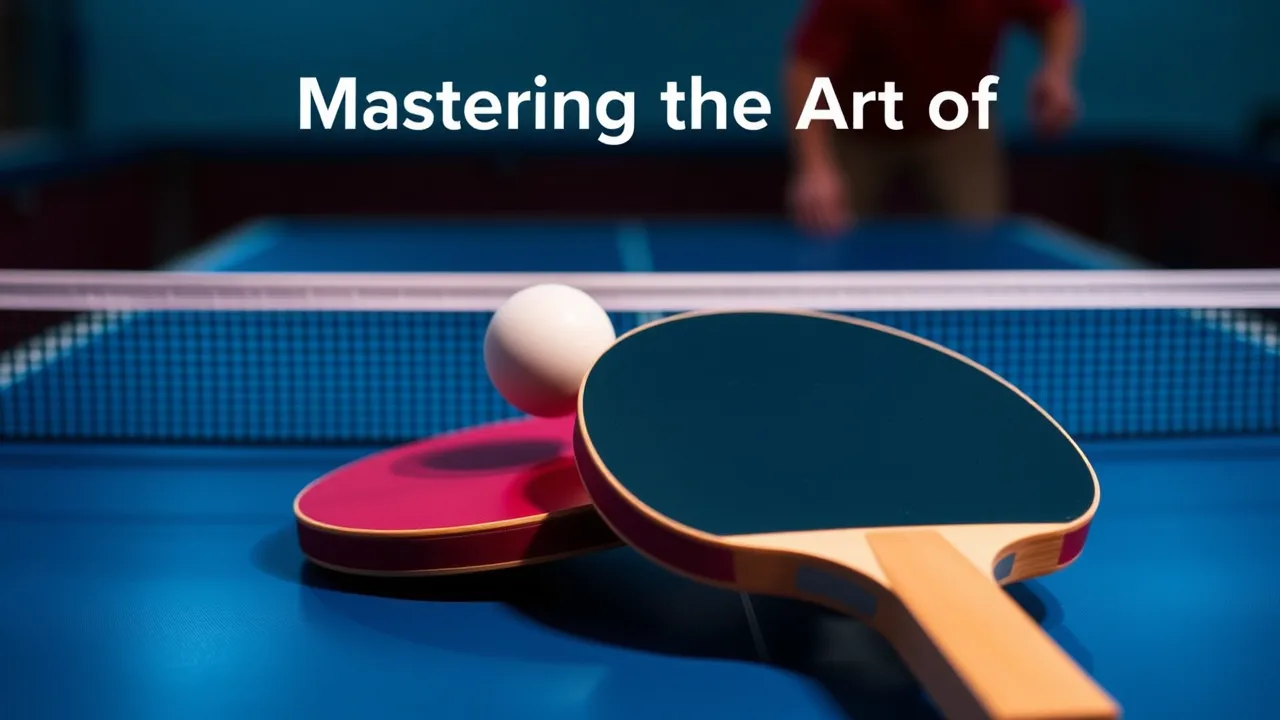
ping pong is a highly engaging and entertaining game that challenges players to demonstrate their hand-eye coordination, reaction time, and strategic thinking. The game is available to play online, and this page is dedicated to providing a comprehensive overview of its features, gameplay, and benefits. Whether you're a seasoned gamer or just looking for a fun and relaxing experience, this game is sure to captivate and entertain.
This keyword page works best when it helps players move from general interest to a more focused selection. For readers who want more games related to ping pong, ping pong gives a direct path to similar options without breaking the flow of the page.
At its core, ping pong is a simple yet addictive game that involves hitting a ball back and forth between two players using paddles. The game requires quick reflexes, spatial awareness, and strategic thinking to outmaneuver your opponent. Players can choose from various game modes, including singles and doubles, to suit their preferences.
Game Modes and Features
The game offers a range of game modes, including timed matches, score-based competitions, and practice sessions. Players can also customize their gameplay experience by adjusting the difficulty level, ball speed, and paddle sensitivity. Additionally, the game features a variety of visual and audio effects to enhance the overall gaming experience.
Why Play ping pong?
ping pong is an excellent game for players of all ages and skill levels. It offers a fun and engaging way to improve hand-eye coordination, reaction time, and strategic thinking. The game is also a great way to relax and unwind, as it requires focus and concentration to play effectively.
Benefits of Playing ping pong
Playing ping pong has several benefits, including improved hand-eye coordination, enhanced reaction time, and increased strategic thinking. The game also provides a fun and social way to interact with others, whether it's playing against a friend or joining a local tournament.
FAQ
Q: What is the objective of the game?
A: The objective of the game is to hit the ball back and forth between two players using paddles.
Q: What are the different game modes available?
A: The game offers timed matches, score-based competitions, and practice sessions.
Q: Can I adjust the difficulty level of the game?
A: Yes, the difficulty level can be adjusted to suit player skill level.
Q: Can I play ping pong on my mobile device?
A: Yes, the game is available to play on mobile devices.
Q: Is ping pong suitable for players of all ages?
A: Yes, ping pong is an excellent game for players of all ages and skill levels.
Q: Can I play ping pong with friends or family?
A: Yes, ping pong is a great way to interact with others and play socially.
Q: Are there any tournaments or competitions available?
A: Yes, local and online tournaments are available for players to compete against others.
Control the meeting point
Ping pong games are decided where the paddle meets the ball. Move early enough to place the center of the paddle behind the predicted path, then make a small final correction. Chasing the ball at the last instant creates large movements and weak contact. The aim is to arrive balanced, return cleanly, and recover toward a useful central position.
Watch the ball immediately after it leaves the opposing side. Its angle reveals where it will cross your line. A steep return demands faster lateral movement; a shallow one gives more time but can pull you wide. Track the ball rather than staring at your paddle.
Build reliable returns before risky angles
New players often try to hit every shot toward a corner. First learn to sustain a neutral rally. Contact near the middle of the paddle tends to produce a more predictable return, while edge contact can change the angle sharply. Once you can keep several exchanges alive, use those angle changes deliberately.
After hitting, do not remain at the edge. Move partway back toward the center so both sides remain reachable. The ideal recovery point depends on the opponent's position and the last angle, but staying mobile is safer than committing to one corner.
Use rhythm without becoming predictable
A steady rally has a rhythm: read, move, contact, recover. Keeping that rhythm reduces panic as the pace increases. However, returning from exactly the same paddle position can make your direction easy to anticipate. Mix a firm central return with occasional angled contact when you have time and control.
If the game accelerates, shorten your movement. Large sweeps waste time and cause overshooting. On touchscreens, slide smoothly instead of lifting and tapping repeatedly. With a mouse, keep the pointer inside the play area and use compact motions that match the width of the table.
Respond to common rally problems
If the ball repeatedly passes one side, you may be reacting to its current position rather than its trajectory. Read the line earlier. If returns fly at uncomfortable angles, aim for more central contact until you regain control. If you reach the ball but cannot recover, start moving back as soon as contact is complete.
Long rallies reward patience. A safe return that forces another shot is often better than an attempted winner from a poor position. Wait for a slower ball or a return that leaves open space, then create the sharper angle.
What varies across the ping pong collection
The ping pong collection includes direct table-tennis matches, endless rally challenges, arcade reflex tests, and games that borrow the paddle-and-ball idea for another objective. Ping Pong Battle Table Tennis emphasizes an opponent across the table, while Endless Ping Pong focuses on survival and consistency. Money Ping Pong and themed entries may change the goal completely. Always check the score display and opening prompt before assuming standard match rules.
Use Ping Pong for the straightforward paddle timing practice discussed here. Concentrate on reading the outgoing angle, making centered contact, and recovering after each shot.
Questions about improving
Should I follow the ball with the paddle constantly?
Follow its projected path. Moving directly under every visual position can leave you late when the ball changes sides quickly.
How do I create a wider return?
Meet the ball away from the paddle's center only when you are balanced. Edge contact is less forgiving, so develop control first.
What matters most in a fast rally?
Compact movement and early reading. A small correct adjustment beats a large reaction made too late.
Serve and receive with a plan
If the version gives you control of a serve, start with placement you can recover from instead of maximum speed. Watch how the opponent or game logic returns it, then prepare for the likely angle. On receive, prioritize clean contact. A difficult serve does not need an immediate winner; a controlled return restores the rally and gives you another chance to improve position.
Use the score as feedback
Do not treat every lost point as the same error. Separate misses caused by late movement, poor paddle alignment, and failure to recover. Work on the most frequent cause for several rallies. If timing is the issue, move earlier without changing the planned contact point. If alignment is the issue, slow the final adjustment and aim for the paddle center.
As consistency improves, alternate placement rather than power. Send one return safely through the middle, then use available space on a later ball. Directional variety can create an opening without forcing a risky shot. In endless modes, ignore this attack step and protect the rally count instead.
Set a measurable practice target
Count consecutive returns, successful recoveries, or balls met near the paddle center. A target such as ten controlled contacts provides clearer feedback than playing until a miss feels frustrating. Increase the target gradually, then introduce wider angles while preserving the same recovery routine.
Adapt without abandoning fundamentals
Different opponents or stages may return at different speeds, but the same cycle remains useful: read early, move compactly, contact under control, and recover. Change your risk level before changing everything else. Against a faster pattern, choose safer placement; against a slow predictable pattern, use the extra time to prepare an angle. This keeps experimentation grounded in a repeatable technique.
If a control method feels uncomfortable, play several rallies with smaller movements before judging it. Sensitivity often becomes manageable once you stop correcting past the target. Consistency creates the time needed for strategy.
A focused practice session
Begin with one attempt devoted only to observing the controls and feedback. On the next attempt, choose a single skill from this guide and measure whether it improves the result. Finish by reviewing the decision that created the biggest change. This deliberate sequence turns retries into evidence, keeps the session useful, and avoids repeating the same mistake without understanding it.
Short breaks are helpful when a difficult section starts to feel automatic. Returning with fresh attention makes visual patterns easier to notice and encourages measured input. Progress is not only a faster finish; it is the ability to explain why a move worked and reproduce it on a new layout.