
















Wood Nuts & Bolts Online: How to Plan Every Screw Move
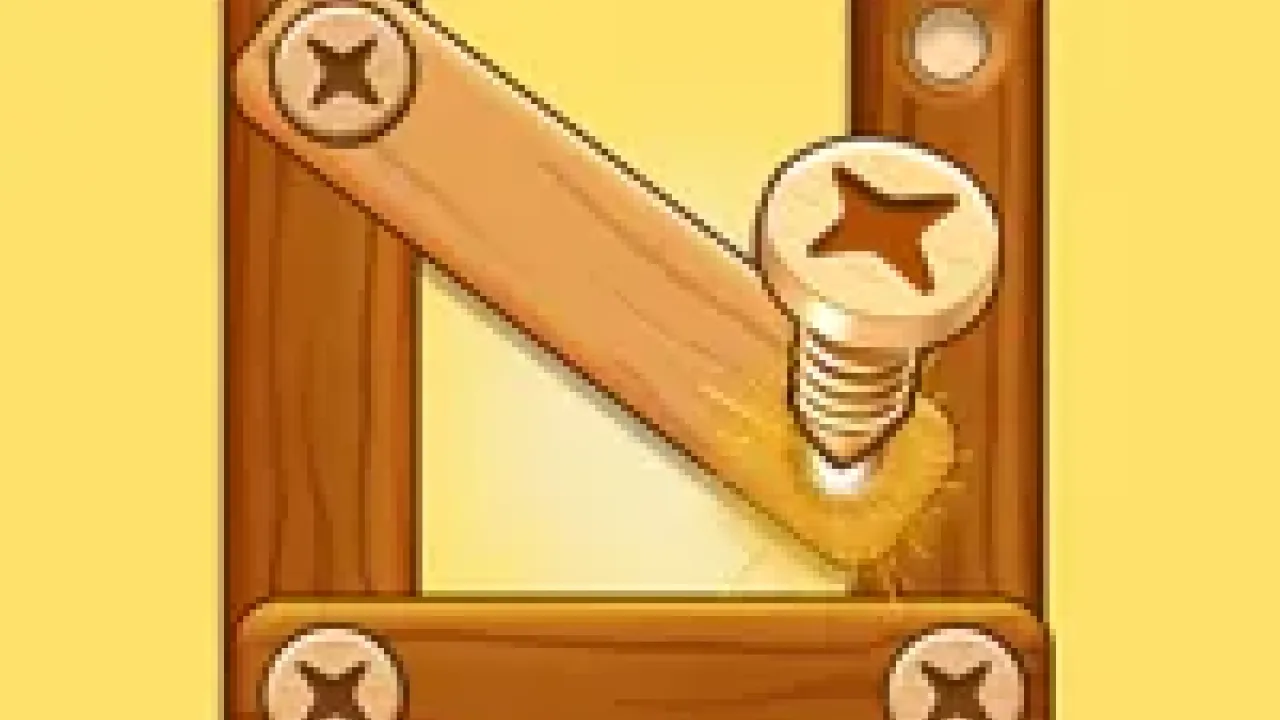
wood nuts and bolts online is a hypercasual puzzle game where you untangle wooden pieces by unscrewing bolts to free them from a frame. Players can expect simple one-tap controls, quick sessions, and a satisfying sense of progress as each puzzle clears. This page explains how to play, what makes it fun, and why it suits short breaks, so you can decide if it's the right quick challenge for you.
In this puzzle, you see a wooden structure held together by bolts and nuts. Your goal is to tap or click on the bolts to unscrew them in the correct order so the pieces fall away without getting stuck. The challenge is planning a sequence that lets each piece move freely, which turns a simple idea into a clever brain teaser. The hypercasual style keeps the rules clear, the controls minimal, and the feedback immediate, so you can focus on solving each frame efficiently.
Why players enjoy it
Players enjoy the calm, methodical feel of unscrewing and the small victory when a piece drops cleanly. The game offers a steady rhythm that builds confidence, and the puzzles are designed to be finished in a single sitting. Because it is hypercasual, there are no complicated menus or long tutorials, making it easy to jump in and try a few solutions right away. The tactile theme of wood and bolts adds a cozy, familiar vibe that fits short breaks.
What to expect in each session
Each session is quick, with puzzles that encourage experimentation and smart ordering. You can expect to try a few sequences, learn from a stuck piece, and refine your approach on the next attempt. The game rewards patience and observation, and the simple visual layout helps you spot which bolt to loosen next. It is a friendly challenge that feels approachable, and each solved frame gives a clear sense of completion.
Controls and how to start
Start by looking at the wooden frame and noticing which bolts are holding pieces in place. Tap or click a bolt to begin unscrewing it, and watch how the connected pieces move. If a piece gets stuck, try a different order and release other bolts first. The controls are minimal, so you can focus on the sequence. To begin, you can play wood nuts and bolts online directly in your browser without downloads.
Strategy tips for faster solves
Look at the pieces that seem blocked and trace which bolts are in the way. Start with bolts that free up movement for multiple pieces, and avoid unscrewing a bolt that pins a piece in place. Watch for pieces that can slide or drop as soon as one neighbor is released. Think one step ahead and test a short sequence before committing. With practice, you will spot the best order more quickly and finish each frame with fewer tries.
Who should play this game
This game is great for players who like calm puzzles and clear goals. It suits short breaks, commutes, or moments when you want a quick mental challenge without complex rules. If you enjoy untangle puzzles, simple physics, and a cozy wooden theme, this hypercasual experience will feel familiar and friendly. It is also approachable for new players because the mechanics are easy to learn and the feedback is immediate.
Where to play and device tips
You can play directly in a modern web browser on desktop or mobile. For the best experience, use an up-to-date browser and a stable internet connection. Tap or click with a steady hand, and keep the screen clean to avoid accidental taps. If you prefer larger controls, many browsers let you zoom in slightly or adjust display settings. The game is designed for quick sessions, so it fits well on phones, tablets, and laptops.
Common questions
Players often ask how to progress, what to do when stuck, and how to improve. The best approach is to observe the frame, plan a short sequence, and adjust if a piece does not move freely. If a puzzle feels tricky, try a different starting bolt and watch the movement patterns. For more details and to start playing, visit the wood nuts and bolts online page and begin your first solve.
Read the board before removing a screw
The fastest move is not always the best opening. First identify which wooden pieces can actually fall or rotate and which are trapped behind another layer. A screw may look exposed but still hold a plate that has nowhere to go. Treat every level as a small dependency puzzle: free the outer piece, create a vacant hole, then move inward. This prevents the familiar situation in which every available hole is occupied while an important screw remains locked under a board.
Use the spare holes as working space rather than permanent storage. When you move a screw, ask what that empty position will let you do next. A useful sequence often moves one screw temporarily, releases a plate, and then reuses the opening. If a board tilts after one side is freed, pause and watch where it settles before choosing again. The physics feedback is part of the clue.
A three-pass solving routine
On the first pass, scan from front to back and note overlapping pieces. On the second, locate screws attached to pieces with a clear path downward. On the third, count the empty holes and plan the next two transfers. This short routine is more reliable than tapping every highlighted screw. It also makes retries productive because you can identify the exact move that removed your flexibility.
When two moves seem equivalent, prefer the one that releases a smaller or more exposed board. Large central pieces often support several others, so disturbing them too early can create a traffic jam. Edge screws are commonly safer starting points, but the shape of the current construction matters more than a fixed rule. Watch the direction in which gravity pulls each loose component.
How to recover from a blocked position
A blocked board usually comes from one of three causes: a spare hole was filled too soon, a lower plate was released before its cover, or a screw was moved without checking the landing space. Work backward mentally to the last moment when two holes were available. On a retry, preserve that extra space until the obstructing plate has fallen. Changing only one early move is better than randomizing the whole solution.
Accurate clicks matter on crowded layouts. On a phone, tap the center of the screw head and wait for the animation; on desktop, avoid double-clicking. Rapid inputs can make it hard to understand which move caused the change. A calm rhythm gives you time to read the new board after every transfer.
What the wider collection adds
The wood nuts and bolts online collection includes several related interpretations. Some emphasize removing layered boards, while others focus on sorting hardware, rotating pieces, or manipulating objects in 3D. The shared skill is spatial planning, but the best tactic changes with the rule set. Confirm whether a title uses spare holes, colored containers, or free rotation before applying the strategy from this guide.
Start with Wood Nuts Bolts Screw when you want the direct screw-and-board challenge described here. Its appeal comes from visible cause and effect: each correct release changes the structure, and each poor transfer teaches you what the remaining pieces require.
Questions players ask
Should I always remove edge screws first?
No. Edge positions are often readable, but a screw is useful only if the attached board has room to move and the destination hole supports the next step.
Why do I run out of holes?
You are probably treating temporary positions as finished moves. Keep at least one flexible space whenever possible and release a board before filling the opening it creates.
Is speed important?
Observation is more valuable than speed. Once you recognize overlap patterns, faster clears follow naturally without frantic tapping.
Recognize a genuinely solved layer
A layer is not finished merely because several screws have moved. It is finished when a board is no longer supporting, covering, or blocking another useful part of the construction. Use that physical change as your progress marker. If a transfer leaves every piece in place, it may be preparation, but it should create an obvious option. When it does neither, reconsider before spending another empty hole.
A focused practice session
Begin with one attempt devoted only to observing the controls and feedback. On the next attempt, choose a single skill from this guide and measure whether it improves the result. Finish by reviewing the decision that created the biggest change. This deliberate sequence turns retries into evidence, keeps the session useful, and avoids repeating the same mistake without understanding it.
Short breaks are helpful when a difficult section starts to feel automatic. Returning with fresh attention makes visual patterns easier to notice and encourages measured input. Progress is not only a faster finish; it is the ability to explain why a move worked and reproduce it on a new layout.