


Solve clever room puzzles in sherks hotel
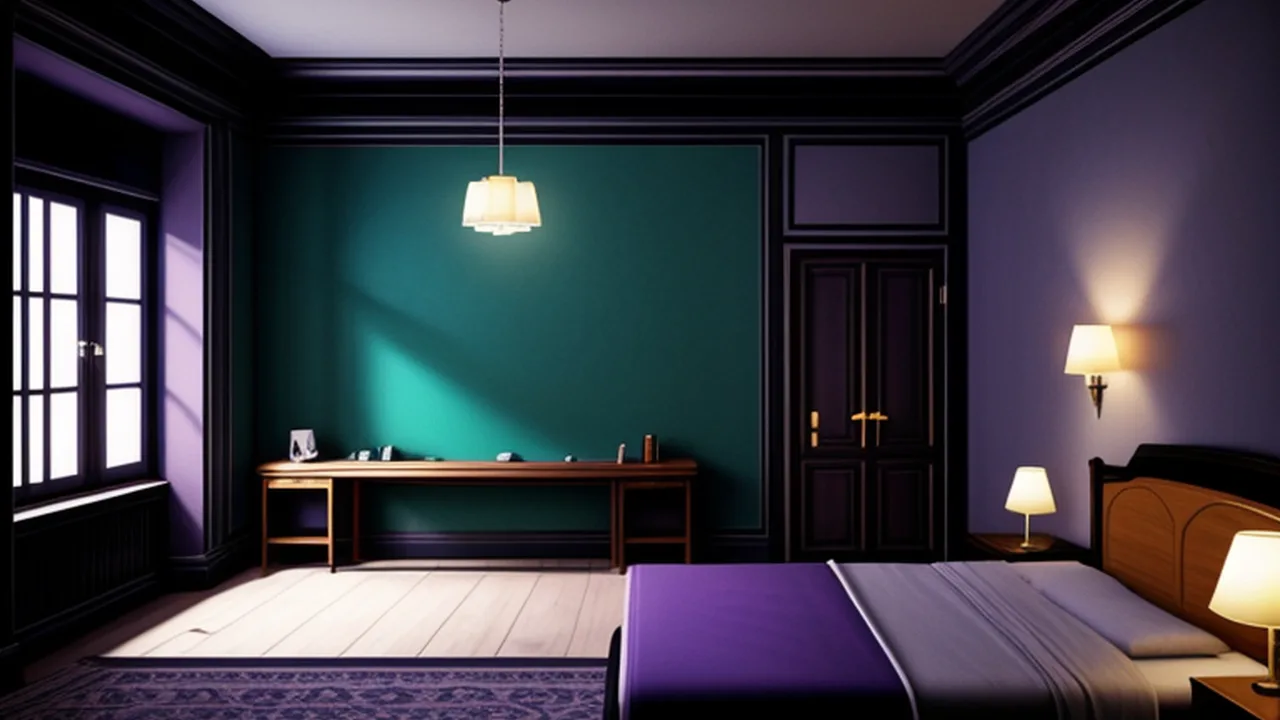
sherks hotel is a puzzle game that challenges players to think through clever room-based scenarios where every detail matters. Built around the puzzle category, it rewards careful observation, logical reasoning, and a willingness to experiment with different solutions. Whether you enjoy untangling tricky logic or simply want a satisfying mental workout, this game offers a focused experience that keeps you engaged. This page covers what to expect, how the gameplay feels, and practical tips to help you make the most of every room you encounter.
What Makes This Puzzle Game Worth Trying
Puzzle games thrive on that moment when a difficult problem suddenly clicks into place, and sherks hotel is built to deliver exactly that feeling. The game leans into the core appeal of the puzzle genre: presenting you with a situation that looks straightforward at first but hides a layer of logic you need to uncover. There is no frantic action or fast reflexes required here. Instead, you are asked to slow down, read the situation carefully, and consider what the room is really asking of you.
What sets this experience apart is how it balances accessibility with genuine challenge. You can jump in without a lengthy tutorial and start engaging with the puzzles right away, but that does not mean the solutions are obvious. Each room presents a self-contained problem that rewards patience and lateral thinking. If you enjoy games where the satisfaction comes from solving rather than surviving, this title fits neatly into your rotation of browser-based games.
How the Room Puzzles Are Designed
The heart of the experience lies in how each room is constructed. Puzzles in this style of game are typically designed so that the answer is hidden in plain sight. You might need to notice an unusual detail, connect two seemingly unrelated clues, or realize that the obvious approach is not the correct one. The rooms act as individual thinking spaces, each one framing its challenge in a way that feels distinct from the last.
Good puzzle design also respects your time. Rather than trapping you in long-winded sequences, each room delivers a compact problem that you can chew on for a few minutes and then solve. This structure makes it easy to pick up and play in short sessions or settle in for a longer streak of problem-solving. The pacing keeps the experience feeling fresh, since you are always moving toward a new challenge rather than repeating the same task.
| Feature | Details |
|---|---|
| Gameplay style | Room-based puzzle solving focused on logic and observation |
| Likely controls | Point-and-click or tap interactions suited to mouse and touch |
| Session pace | Short, self-contained puzzles ideal for quick or extended play |
| Device fit | Works well on desktop and mobile browsers |
| Category focus | Puzzles, with emphasis on reasoning over reflexes |
What to Expect From Your First Few Rooms
When you first start, the game tends to ease you in. Early rooms establish the basic rhythm of how puzzles are presented and what kind of thinking they demand. You will learn how to scan a scene, what counts as a meaningful clue, and how the game signals progress. These opening challenges are not there to trip you up; they are building your intuition for the logic the game uses.
As you move forward, the difficulty naturally ramps up. Later rooms layer in additional variables, require you to combine multiple observations, or present a solution that contradicts your first instinct. This gradual curve keeps the game from feeling overwhelming while still giving experienced puzzle fans something to chew on. If you have played logic games before, you will recognize the satisfying structure of starting simple and earning your way into trickier territory.
Strategies for Getting Unstuck
Every puzzle player hits a wall eventually, and knowing how to break through it is half the skill. The first step is always to re-examine what you already have. Most stuck moments come from overlooking a detail you have already seen rather than missing something entirely. Take a second look at the room with fresh eyes and ask yourself what you have not interacted with yet.
If you are still stuck, try approaching the puzzle from a different angle. Consider whether the solution requires you to do something counterintuitive, or whether two elements you have been treating separately are actually connected. Sometimes the breakthrough comes from changing your assumption about what the puzzle wants rather than finding a new clue. Stepping away for a moment and returning with a clear head also works wonders on stubborn problems.
Why the Puzzle Genre Keeps Players Coming Back
Puzzles have a unique pull because they offer a clean sense of accomplishment. There is no ambiguity about whether you succeeded; either you solved the room or you did not. That clarity is deeply satisfying, and it is one of the reasons players return to puzzle games again and again. Each solved room builds confidence and sharpens the mental habits that make the next one easier to approach.
The genre also appeals to players who value thinking over twitch reactions. If you prefer games that let you pause, consider your options, and make a deliberate choice, puzzles deliver that in spades. This game fits comfortably into that tradition, offering a calm but mentally stimulating experience that respects your intelligence and rewards your persistence.
Getting the Most Out of Each Session
To enjoy this game fully, treat each session as a chance to sharpen your reasoning rather than a race to finish. Resist the urge to rush through rooms just to see what comes next. The pleasure of a puzzle game comes from engaging with the problem itself, and skimming past the details robs you of that experience. Take a moment to appreciate a clever solution when you find one.
It also helps to play in an environment where you can focus. Puzzle solving demands a certain level of concentration, and distractions can make a solvable problem feel impossible. Find a comfortable spot, settle in, and give yourself permission to spend a few extra minutes on a tricky room. The payoff is worth it, and the sense of achievement you feel when the answer finally reveals itself is what keeps you coming back.
Who Will Enjoy This Game Most
This game is a natural fit for players who love cracking codes, spotting hidden patterns, and feeling that rush when a complex problem finally makes sense. If you are the type who enjoys thinking through challenges at your own pace, you will feel right at home here. It is equally suited to casual players looking for a relaxing mental break and dedicated puzzle fans who want a proper test of their logic skills.
It also works well as part of a broader rotation of free online games. Because each room is self-contained, you can play for five minutes or fifty without feeling like you left something unfinished. That flexibility makes it easy to fit into a busy schedule while still getting the mental stimulation you are after.
FAQ
What type of game is this?
It is a puzzle game centered on solving room-based challenges through logic, observation, and careful reasoning.
Do I need prior puzzle experience to play?
No. The game introduces its mechanics gradually, so newcomers can get comfortable while still finding the puzzles engaging.
Can I play in short sessions?
Yes. Each room is self-contained, making it easy to play a few puzzles during a break or settle in for a longer solving streak.
What skills does the game reward?
Paying attention to detail, thinking laterally, and staying patient when a solution is not immediately obvious are all valuable here.
Is it suitable for mobile play?
The point-and-click style interactions translate well to touch screens, so you can enjoy the game on a phone or tablet as well as a desktop.